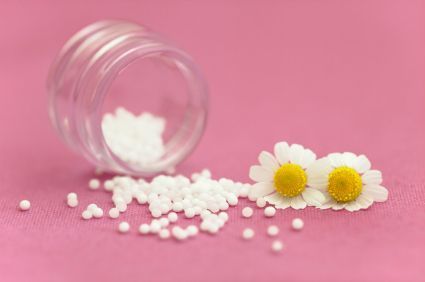
In my work, natural therapies are not used as isolated tricks or as a substitute for a proper veterinary diagnosis. They are tools. Sometimes they help the animal recover after illness, sometimes they support a chronic process, and sometimes they improve comfort, energy or quality of life.
The choice depends on the animal in front of us: symptoms, age, character, medical history, current treatment, diet, sensitivity and the goal we are trying to achieve.
Homeopathy
Individualised support based on symptoms, behaviour and the animal's way of reacting.
Schüssler salts
Mineral salts used as gentle support in functional imbalances and recovery processes.
Mushroom therapy
Medicinal mushrooms rich in beta-glucans and other compounds that may support immunity and chronic cases.
Veterinary homeopathy
My first strong experience with veterinary homeopathy was after a complicated surgery on an eight-year-old Bobtail female with a uterine infection. Her general condition was poor, the surgery was long, and there were complications. Alongside the conventional post-surgical treatment, I decided to support her with veterinary homeopathy.
In one of the last follow-up visits, when she was practically recovered, her owner told me: "Now she is better than before she became ill." That kind of clinical experience is what made me keep studying and using homeopathy as one more therapeutic tool.

How I understand it
Homeopathy is a therapeutic method. In practice, it requires observing the animal carefully: physical symptoms, emotional response, behaviour, modalities, history and the way the disease expresses itself in that individual.
It can be considered in many situations: recovery after surgery, chronic digestive problems, skin issues, respiratory conditions, urinary problems, anxiety, senior animals and some recurrent processes. It does not mean ignoring conventional medicine; often the best approach is to combine what the animal needs.
Schüssler salts for pets
Schüssler salts are mineral salts used as a gentle form of support. They are not chosen randomly. The idea is to help the body regulate functional imbalances, especially when the animal needs subtle, sustained support rather than a strong intervention.
They may be considered in recovery periods, skin and coat problems, digestive sensitivity, weakness, growth phases, senior animals or situations where mineral balance and tissue support are relevant.
Why they can be useful
In holistic care, small functional imbalances matter. Sometimes the animal is not in an emergency, but is not truly well either: low vitality, recurrent minor symptoms, slow recovery, fragile digestion or chronic tendency to inflammation. Schüssler salts can be part of a broader plan that also includes diet, acupuncture or other therapies.
Mushroom therapy for dogs and cats
Mushrooms are a natural source of polysaccharides, proteins, minerals, essential amino acids, vitamins, enzymes and fatty acids. Among their polysaccharides, beta-glucans are especially relevant because they can help modulate immune balance.
For this reason, medicinal mushrooms can be a natural nutritional support in many diseases of dogs and cats. Several species can also be combined, creating synergy and a broader action on the body.
Examples of mushrooms used in natural veterinary care
- Reishi: traditionally used as an adaptogenic mushroom, with antioxidant, anti-inflammatory and immune-supporting properties.
- Shiitake: used for immune, liver and cardiovascular support, and sometimes in respiratory or allergic tendencies.
- Cordyceps: often considered for energy, fatigue, kidney support, respiratory function and senior animals.
- Turkey Tail: frequently used as immune support, especially in chronic and oncological contexts as a complementary measure.
- Lion's Mane: used when nervous system support, cognition or neurological recovery are relevant.
- Polyporus: traditionally associated with fluid balance, urinary support and lymphatic drainage.
Mushroom therapy should be selected carefully. Not every mushroom is suitable for every animal, and some cases require special caution, especially when there is diabetes, bleeding tendency, cancer treatment, immune disease or medication.
How Gemma chooses the right therapy
The question is not "which therapy is best?" The question is: what does this animal need now?
Sometimes the priority is nutrition. Sometimes pain and mobility need acupuncture. Sometimes the animal needs immune support, mineral support, emotional support or help recovering after illness. In chronic cases, several small, well-chosen measures often work better than one isolated treatment.
This is why the consultation matters. I need to understand the case before recommending anything: diagnosis, tests, medication, diet, symptoms, temperament, age, evolution and what the family is trying to improve.
Online consultation for natural therapies
If you are outside Barcelona, an online consultation can be useful for reviewing your pet's case and deciding whether natural therapies make sense. It is especially helpful for chronic cases, second opinions, nutrition planning and animals that need long-term support.
If an in-person physical examination is necessary, Gemma will tell you. Natural therapies should be used with clinical judgement, not as automatic protocols.
Need a holistic review of your pet's case?
Send Gemma the context: diagnosis, current treatment, symptoms, diet and what you would like to improve. She will guide you on the most appropriate next step.